A Brahmin marriage is not an event — it is a series of small and specific events, each carrying its own weight, its own schedule, and sometimes even its own room. Kashi yatra is held in a corner of the hall before family members have arrived. The Oonjal ceremony proceeds slowly and meditatively, whereas the dhare that follows can be completed within two minutes. No ritual stops to allow a better camera angle, and none will be repeated to retake the shot.
That is exactly why couples looking for professional Brahmin wedding photography spend more time than expected analysing studio capabilities and skills. This is not a search for the most expensive cameras or the fanciest portfolio; it is a search for a photographer who has been there and understands the details.
A photographer must be prompt during these rites. If they have only photographed ordinary wedding receptions, they may overlook the crucial two or three seconds during a Brahmin ritual simply because they do not expect them. Experience reveals itself not in a camera model, but in the final collection of photographs.
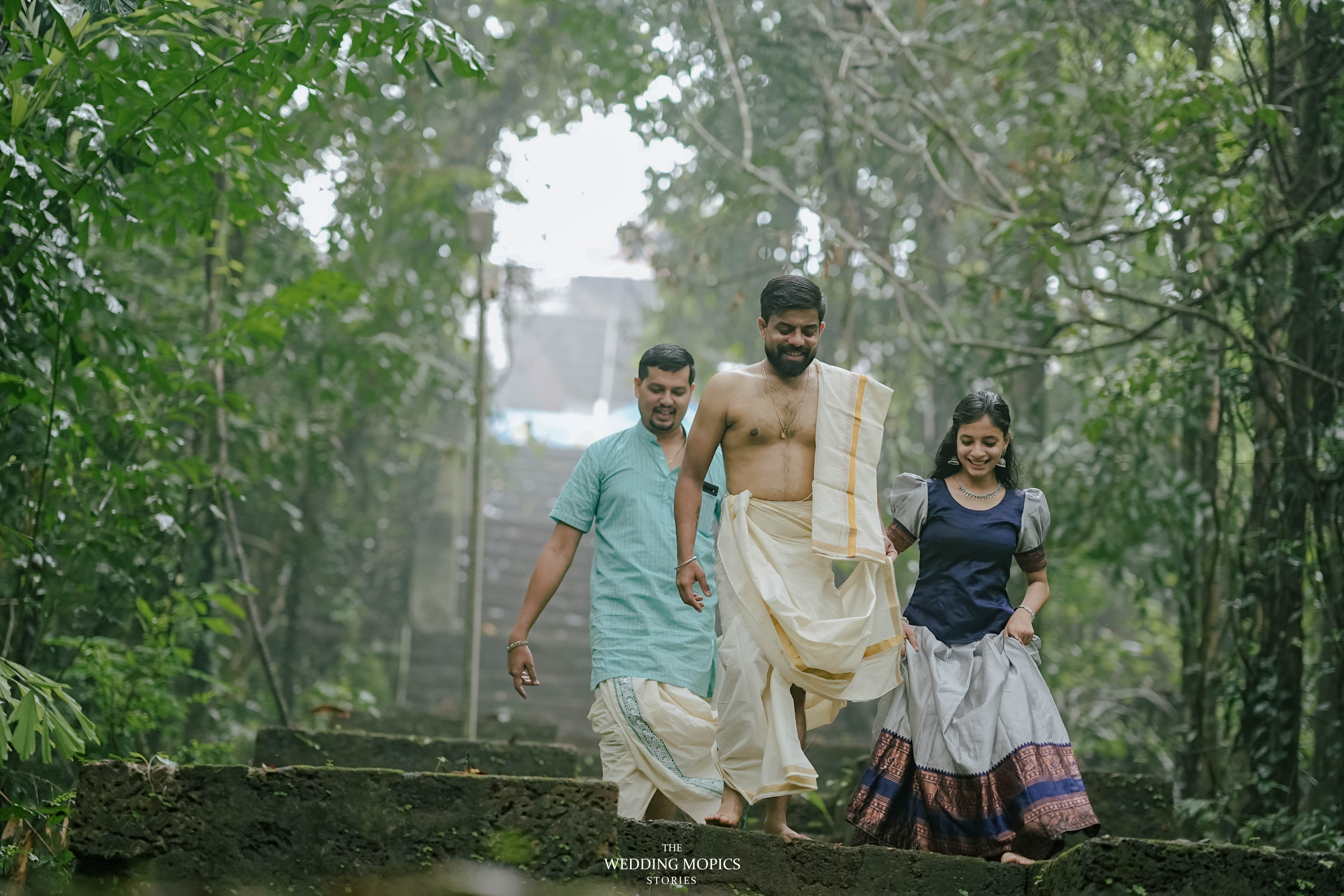
Every ritual has its own pace, position, and decisive moment.
The Rituals That Determine the Shooting
Kashi Yatra
A short and symbolic ritual where the groom decides to become an ascetic before giving way to the marriage plans. It is swift, low-key, and easy to overlook unless the photographer knows it is coming.
Oonjal
A slower ritual on the swing, with colourful details and many moments for photographers to capture, but also plenty of choices regarding composition and lighting.
Dhare
The key ritual that determines the wedding, which usually happens faster than a photographer unfamiliar with the order of events can take their place.
Because these moments occur sequentially without much warning, a photographer must decide where to be at all times. This is one reason a team of two photographers is used at such weddings, with one covering each family's customs.
One Chance, No Retakes
There is no second chance during a fast-moving ritual. You get one opportunity, and it may last for only ninety seconds. Everything about the preparation and coverage has to be structured around that reality.
What Separates “Best” from Merely Available
Every family looking for the best Brahmin wedding photography encounters the same dilemma: almost all studios use similar advertising strategies. Personal stories, a few attractive portraits, and promises to capture the “special day” do not show whether a studio can cover every ritual in time.
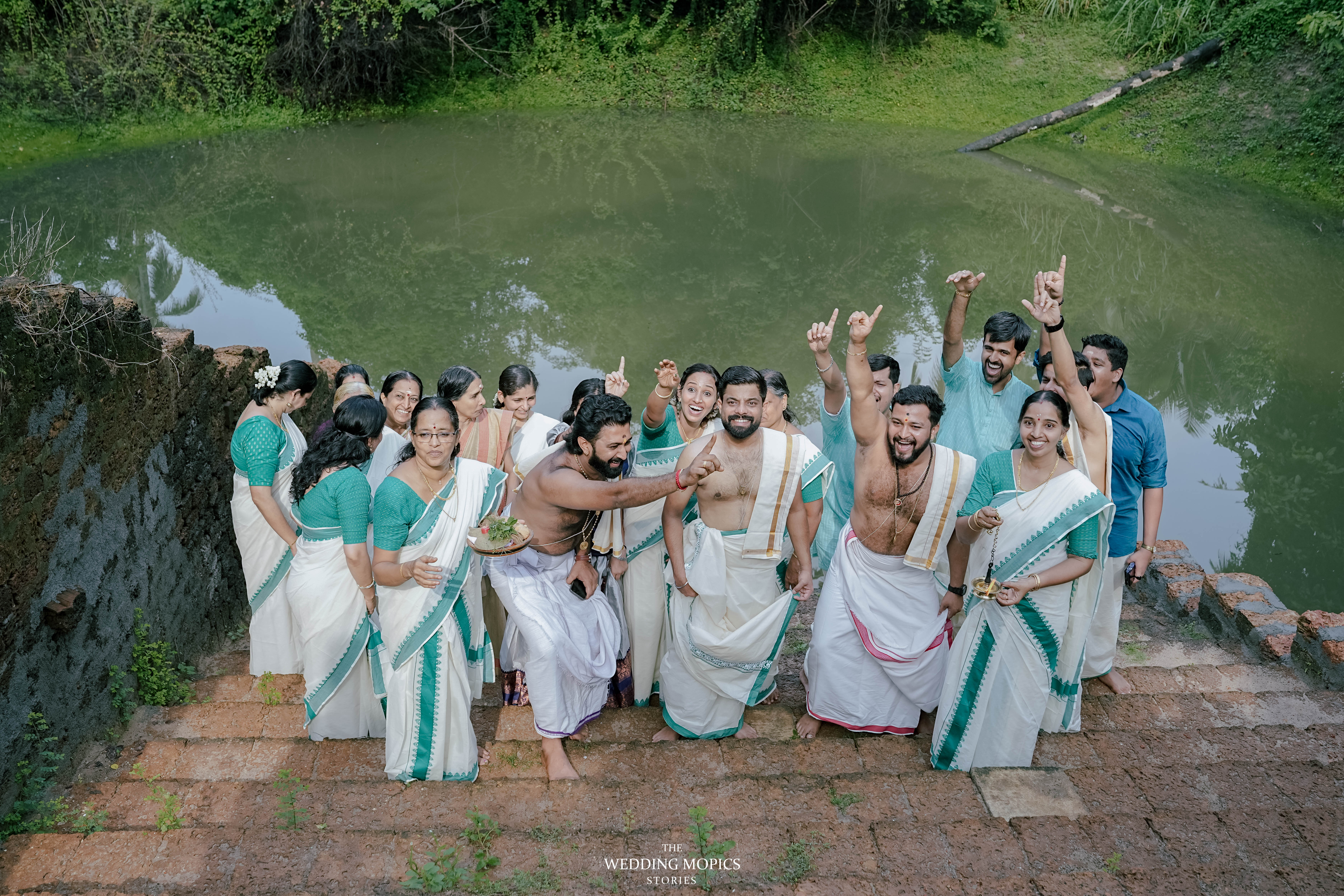
A better indicator is less attractive but more useful: ask the studio to provide an album of one complete wedding, including the entire process, rather than 40 perfect shots selected from 4,000. It will show whether coverage remained consistent during both the quiet and exciting parts of the ceremony.
It is also worth asking about individual rituals by name. If the team understands exactly what you mean when you mention dhare or oonjal, they are likely to have participated in Brahmin weddings, and that experience usually shows in the results.
Why “Top” Does Not Always Mean “Most Expensive”
Studios described as Top Brahmin Wedding Photography Studios are not necessarily the most expensive. They are often the photographers who arrive early, verify the ritual sequence with the priest, and find their position without guidance from a hurried relative during the ceremony.
These qualities are difficult to market, which is why recommendations remain important in wedding preparation. A referral from a family that hosted a Brahmin wedding a season ago can hold more value than a hundred five-star reviews from unrelated ceremonies.
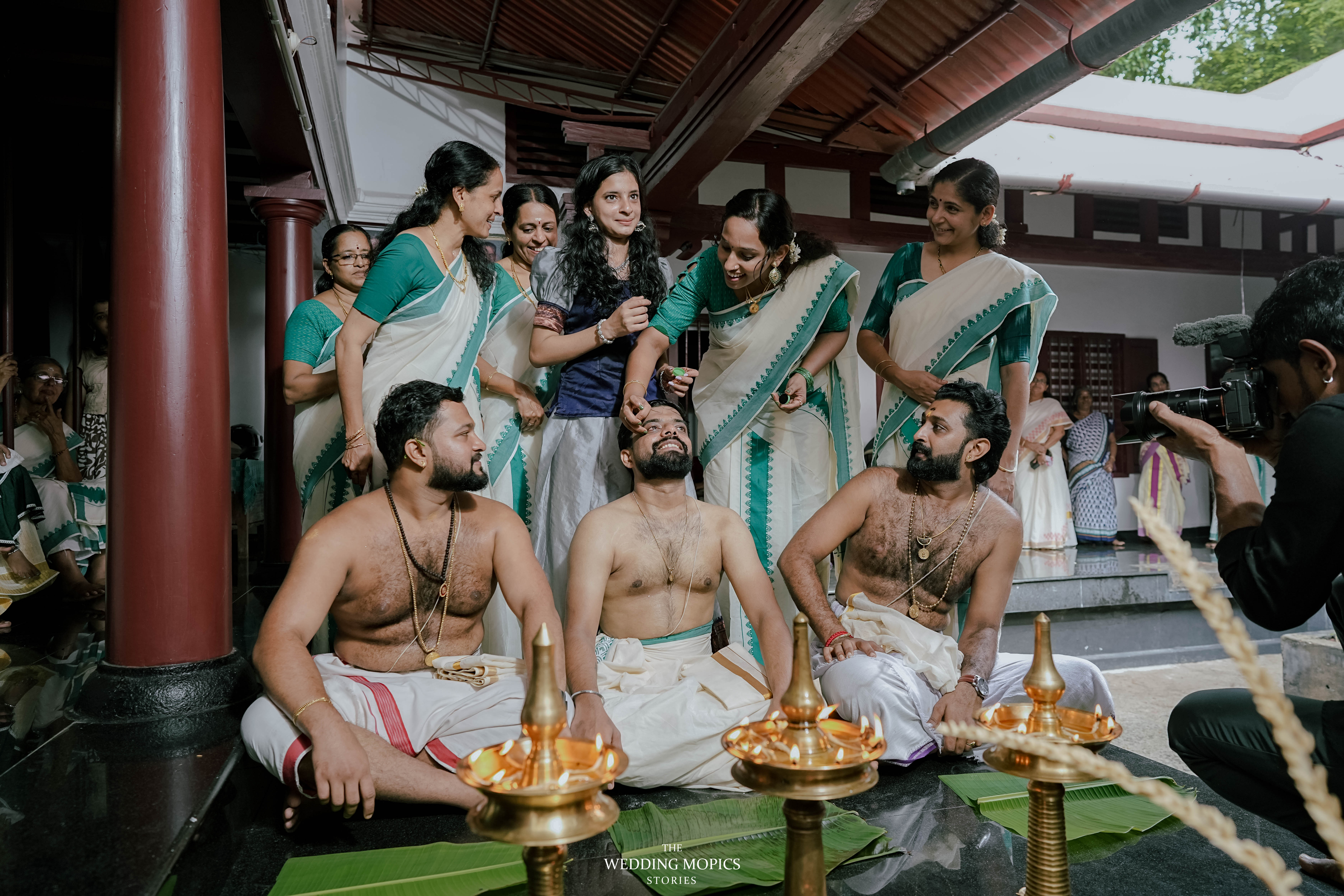
Preparation and ritual knowledge matter as much as the camera itself.
Regional Planning for Weddings
Many Brahmin weddings now involve families from different cities. The ceremony may take place in Mangalore or Udupi while guests arrive from elsewhere. This means that, along with the rituals, venue access, guest movement, and timing must be scheduled ahead.
If your wedding takes place in this region, the Mangalore Wedding Moments Guide can help with information about venues, timing, and logistical issues that may surprise families coming from outside the area.
Combining ritual accuracy with regional planning makes it clear why families begin their search well ahead of time. Once you understand what to look for, the entire process becomes easier.
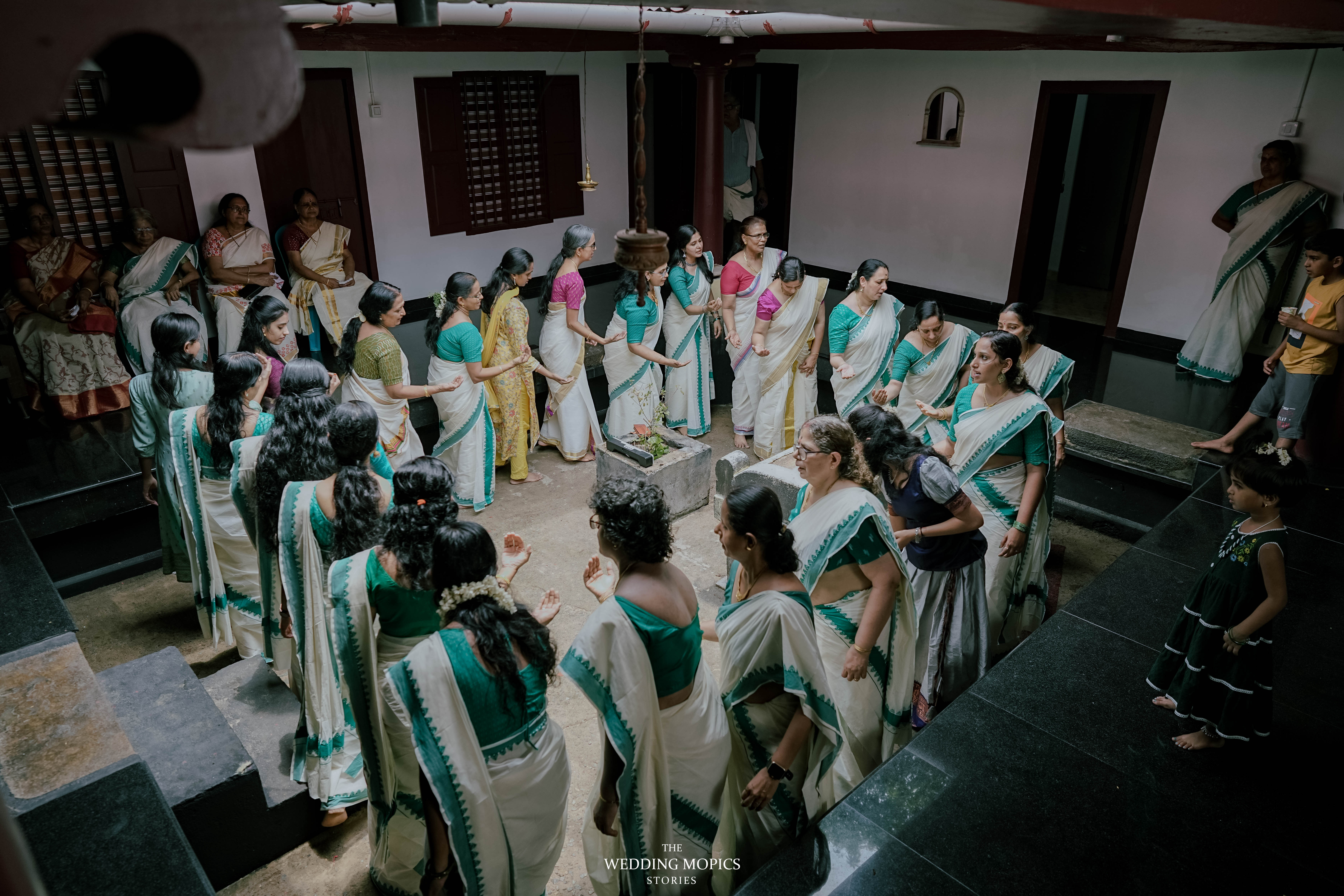
A complete wedding gallery brings ritual, family, and regional details together.
Frequently Asked Questions
How early should we book?
Generally, four to six months in advance is fine. Booking even earlier is best if your wedding falls during a peak season, when experienced studios fill up quickly.
Should we tell the photographer about the ritual sequence beforehand?
Yes, whenever possible. Even an outline of the ritual sequence will help the team prepare for rapid moments such as the dhare and avoid being caught off guard.
Do we need a team, or is one photographer enough?
Usually, a two-person team is enough for most Brahmin weddings because each photographer can follow one side of the family.
How can we assess the value of a studio in one step?
Ask for one complete wedding gallery rather than a highlight video. It is the easiest way to assess how the team works across the entire day.
Any suggestions for those planning a wedding in Mangalore?
The Mangalore Wedding Moments Guide may be useful alongside this post.
